
The Two Forms of Suffering
The HummingbirdThis thematic thread follows the novel’s meditations on anguish, from Irene’s private notes to Marco’s losses and Carradori’s belief in desire as a way to resist grief.
increasing Bearing strength in each event
 decreasing
Bearing strength in each eventdecreasingIrene’s Notes on Suffering
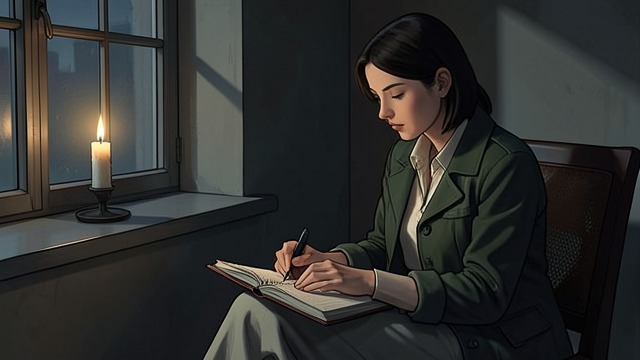
Irene’s Notes on Suffering
A private vocabulary
Irene’s notes collect ideas about world-weariness, anomie, and Buddhist suffering. They show a young woman trying to understand pain through poetry and concepts beyond the family’s ordinary language.
Evidence without a complete answer
Marco finds the material years later, after her room has been preserved. It reveals how much Irene had thought about her condition, but it cannot explain every cause of her death.
Her writing makes suffering legible while preserving its mystery.
Pain Travels Through Generations
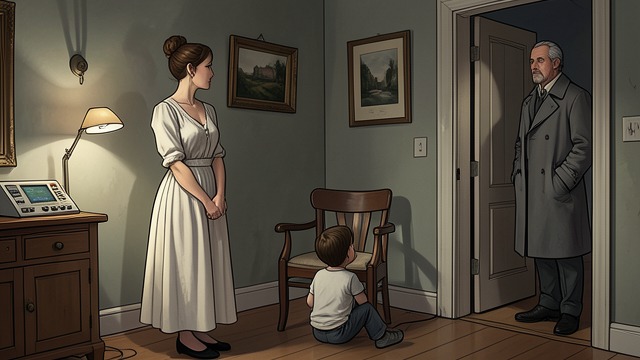
Pain Travels Through Generations
A family remains marked
Irene’s death changes the family’s habits and relationships. Her parents preserve her room, while Marco carries memories of having recognized danger without being able to prevent the eventual loss.
A new child awakens old fear
When Adele develops her thread-related disturbance, Marco briefly senses a connection to Irene and immediately represses the thought. The past is not openly discussed, yet it shapes the way he responds to his daughter.
The novel presents inherited grief less as a spoken lesson than as a pattern of vigilance and avoidance.
The Unnameable Pain of a Parent
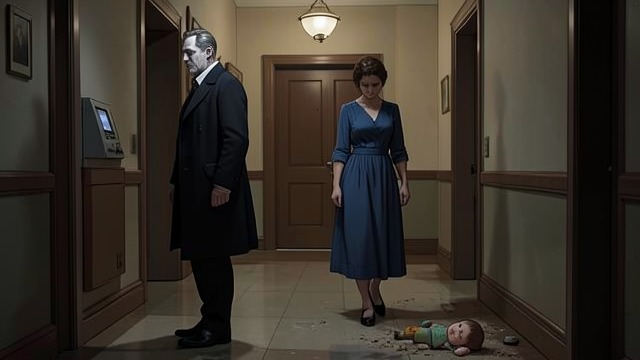
The Unnameable Pain of a Parent
Grief seeks a name
Marco learns words for the condition of a parent who has lost a child. Their existence acknowledges a grief that ordinary speech often leaves without a distinct term.
Guilt accompanies the name
He feels responsible for failing to protect Adele, even though her death resulted from a sudden climbing accident. The sense of guilt is part of his grief, not evidence that he could have controlled the outcome.
The vocabulary gives the loss recognition while leaving its emotional weight intact.
Desire as a Counterforce

Desire as a Counterforce
Carradori’s counsel
Carradori tells Marco that grief can censor pleasure, though desire and pleasure may survive even in catastrophe. He advises Marco to seek what he enjoys without pretending it will solve the loss.
A life resumed imperfectly
Marco plays tennis, attends conferences, and returns to gambling with Miraijin nearby. These activities do not make him free of pain, but they keep pain from dictating every action.
Suffering and pleasure coexist rather than cancel each other out.
A Peace Among the Survivors
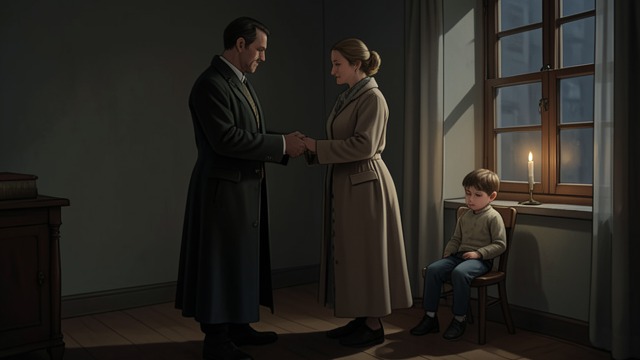
A Peace Among the Survivors
A tragedy changes the survivors
Carradori observes that a tragedy can unsettle a stable family but sometimes calm a family already in turmoil. After Adele dies, Marco and Marina begin seeing one another again for Miraijin’s sake.
Pity displaces old hostility
Marco feels pity for Marina and no longer seeks revenge. Their renewed contact does not restore their marriage; it creates a limited form of cooperation among people sharing an irreversible loss.
The theory offers a pattern for the aftermath, not a claim that tragedy itself is beneficial.
June 1981, in the record later found by Marco
After Irene’s death and before Adele’s birth
2012, after Adele’s death
2012–2016, during Marco’s recovery after bereavement
After Adele’s death, during the renewed family visits
